In today’s fast-paced world, stress is a common issue. Many people struggle with maintaining focus. Fortunately, mindfulness and meditation offer effective techniques to manage stress and enhance concentration. These practices are accessible to anyone willing to take a few moments each day to cultivate inner peace and clarity. Let’s explore how mindfulness and meditation can transform your life.
What is Mindfulness?
Mindfulness is the practice of being fully present in the moment. It involves paying attention to your thoughts, feelings, and surroundings without judgment. This simple act can reduce stress and improve mental clarity.
Mindfulness teaches you to focus on the here and now. Instead of worrying about the past or the future, you learn to appreciate the present. This shift in focus can significantly reduce anxiety and increase your overall well-being.
To practice mindfulness, start with mindful breathing. Sit comfortably and take deep breaths. Focus on the sensation of the air entering and leaving your body. If your mind wanders, gently bring it back to your breath. This exercise trains your mind to stay present.
Mindfulness can be integrated into daily activities. Pay attention to your senses as you eat, walk, or even wash dishes. Notice the textures, smells, and sounds around you. This practice enhances your ability to stay focused and reduces stress.
The Benefits of Meditation
Meditation is a powerful tool for stress reduction and focus enhancement. It involves quieting the mind and observing your thoughts without attachment. Regular meditation can lead to profound changes in your mental and physical health.
One key benefit of meditation is stress reduction. When you meditate, your body enters a state of deep relaxation. This process reduces the production of stress hormones like cortisol. As a result, you feel calmer and more balanced.
Meditation also improves focus and concentration. By training your mind to stay still, you enhance your ability to pay attention. This skill is valuable in both personal and professional settings.
Moreover, meditation can improve emotional health. It helps you develop a better understanding of your thoughts and emotions. This self-awareness leads to greater emotional resilience and stability.
To begin meditating, find a quiet place and sit comfortably. Close your eyes and focus on your breath. If your mind wanders, gently bring it back to your breath. Start with a few minutes each day and gradually increase the duration.
Different Types of Meditation
There are various forms of meditation, each with its unique benefits. Understanding these types can help you find the best practice for your needs.
Guided Meditation
Guided meditation involves listening to a guide who leads you through the meditation process. This type of meditation is great for beginners. The guide provides instructions on breathing, visualization, and relaxation techniques.
Transcendental Meditation
Transcendental Meditation (TM) involves silently repeating a mantra. This practice helps you transcend ordinary thinking and reach a state of deep rest. TM is known for its simplicity and effectiveness in reducing stress.
Mindfulness Meditation
Mindfulness meditation focuses on being present in the moment. You observe your thoughts and sensations without judgment. This practice enhances awareness and acceptance of your inner experiences.
Loving-Kindness Meditation
Loving-kindness meditation involves sending thoughts of love and compassion to yourself and others. This practice can increase positive emotions and reduce negative ones. It’s particularly helpful for improving relationships and emotional well-being.
Body Scan Meditation
Body scan meditation involves focusing on different parts of your body. You start at your toes and gradually move up to your head. This practice helps you become more aware of physical sensations and promotes relaxation.
How Mindfulness Reduces Stress
Mindfulness reduces stress by shifting your focus away from stressors and towards the present moment. When you are mindful, you are less likely to ruminate on past events or worry about the future.
Mindfulness also helps you develop a better understanding of your stress triggers. By observing your thoughts and emotions without judgment, you gain insight into what causes your stress. This awareness allows you to address these triggers more effectively.
Moreover, mindfulness promotes relaxation. By focusing on your breath or senses, you activate the body’s relaxation response. This process reduces the production of stress hormones and lowers your heart rate.
Incorporating mindfulness into your daily routine can significantly reduce stress. Try mindful breathing exercises, body scans, or mindful walking. These practices help you stay grounded and calm.
Techniques to Increase Focus
Improving focus requires consistent practice. Mindfulness and meditation offer several techniques to enhance concentration and clarity.
Focused Attention Meditation
Focused attention meditation involves concentrating on a single object, such as your breath. This practice trains your mind to stay focused and avoid distractions. Start with short sessions and gradually increase the duration.
Mindful Breathing
Mindful breathing is a simple yet effective technique. Pay attention to your breath as it flows in and out. If your mind wanders, gently bring it back to your breath. This practice helps improve concentration and reduce mental chatter.
Visualization
Visualization involves creating a mental image of a peaceful scene or goal. This practice enhances focus by engaging your imagination. Visualizing success can also boost motivation and performance.
Mindful Walking
Mindful walking involves paying attention to the sensations of walking. Notice the movement of your legs, the feeling of your feet on the ground, and the rhythm of your steps. This practice helps you stay present and focused.
Single-Tasking
Single-tasking means focusing on one task at a time. Avoid multitasking, which can scatter your attention. By concentrating on a single task, you improve your efficiency and focus.
Mindfulness in Daily Life
Integrating mindfulness into your daily life can enhance your overall well-being. Simple practices can make a significant difference.
Mindful Eating
Mindful eating involves paying attention to the taste, texture, and smell of your food. Eat slowly and savor each bite. This practice can improve digestion and help you enjoy your meals more fully.
Mindful Communication
Mindful communication means being fully present in your conversations. Listen actively and respond thoughtfully. This practice can improve your relationships and reduce misunderstandings.
Mindful Exercise
Mindful exercise involves paying attention to your body’s movements and sensations. Whether you are walking, running, or practicing yoga, focus on the physical experience. This practice enhances the benefits of physical activity and promotes relaxation.
Mindful Rest
Mindful rest means taking breaks and allowing yourself to relax. During these moments, practice mindful breathing or simply observe your surroundings. This practice helps you recharge and maintain balance.
The Science Behind Mindfulness and Meditation
Scientific research supports the benefits of mindfulness and meditation. Studies show that these practices can reduce stress, improve focus, and enhance emotional well-being.
Brain Changes
Mindfulness and meditation can change the brain’s structure and function. Research shows that these practices increase the thickness of the prefrontal cortex, which is associated with attention and decision-making. They also reduce the size of the amygdala, which is involved in stress and fear responses.
Stress Reduction
Studies have found that mindfulness and meditation reduce the production of stress hormones like cortisol. This reduction leads to lower stress levels and improved health.
Emotional Regulation
Mindfulness and meditation enhance emotional regulation by increasing self-awareness. These practices help you recognize and manage your emotions more effectively.
Improved Focus
Research shows that mindfulness and meditation improve focus and attention. These practices enhance cognitive functions, making it easier to concentrate and avoid distractions.
Getting Started with Mindfulness and Meditation
Starting a mindfulness and meditation practice is simple. Here are some tips to help you begin.
Set Aside Time
Dedicate a few minutes each day to mindfulness and meditation. Consistency is key to reaping the benefits.
Find a Quiet Space
Choose a quiet and comfortable place to practice. This environment helps you focus and relax.
Start Small
Begin with short sessions, such as 5-10 minutes. Gradually increase the duration as you become more comfortable.
Use Resources
There are many resources available to help you get started. Guided meditations, apps, and books can provide valuable guidance and support.
Be Patient
Mindfulness and meditation require practice and patience. Be kind to yourself and allow time for progress.
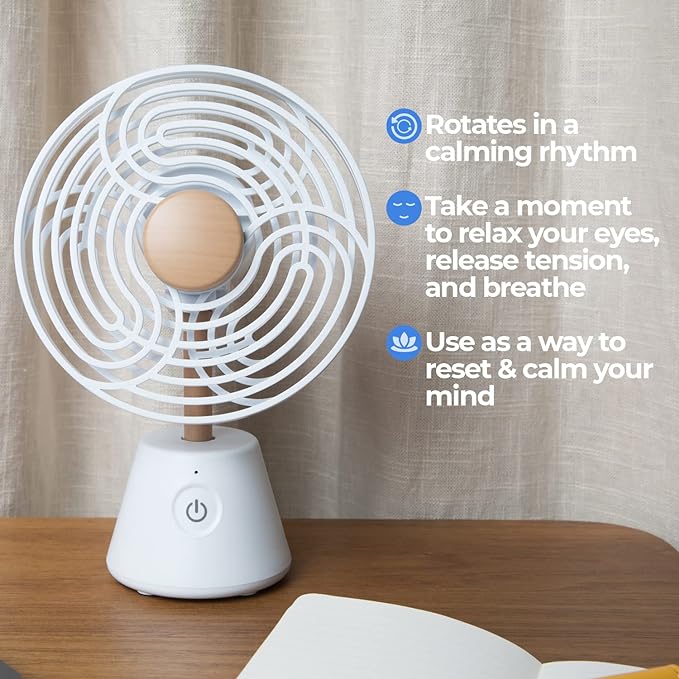
Mindfulness Tool for Home and Office
Experience tranquility and enhance your mindfulness practice with the Mindsight Calming Clip-On Tool. This touch-activated mindfulness and meditation aid provides instant stress relief by helping you center your thoughts and calm your mind. Portable and easy to use, the Mindsight Clip-On Tool is perfect for use at home, work, or on the go. Simply clip it on and let the soothing touch guide you to a more peaceful and focused state. Elevate your meditation routine with this innovative and convenient tool, designed to support your journey to mental clarity and relaxation.