






What is a Probiotic?
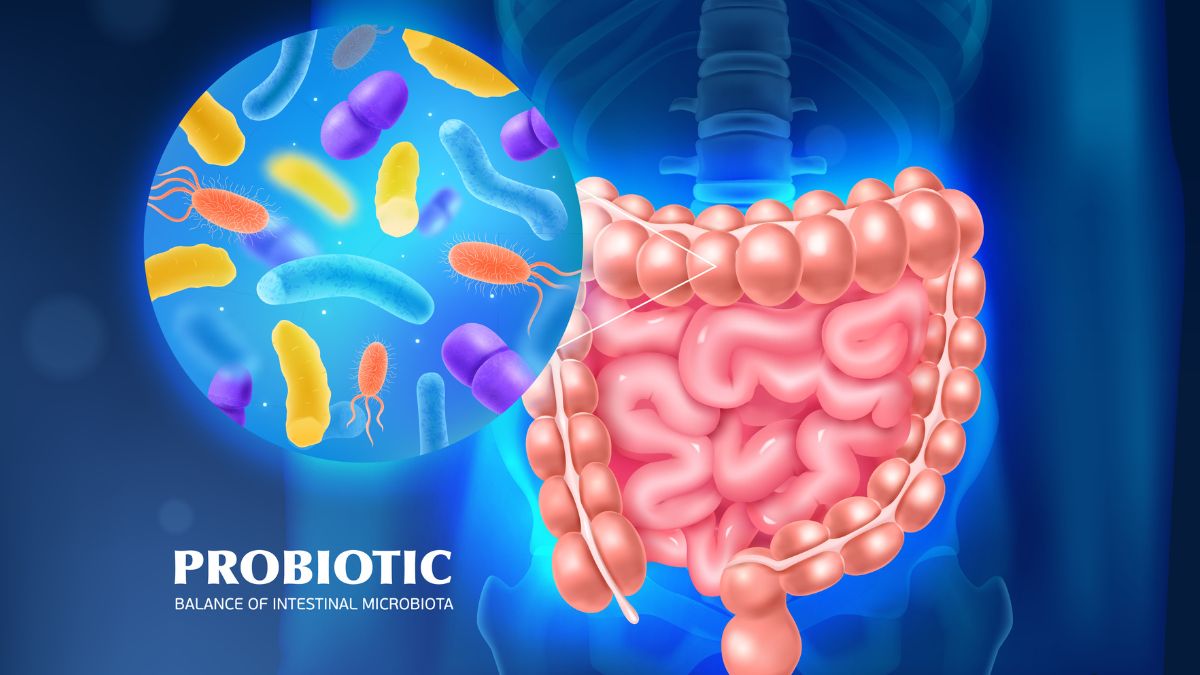
A probiotic is a type of live microorganism that offers health benefits when consumed in adequate amounts. These beneficial bacteria are crucial for maintaining a healthy gut. The most common probiotics are bacteria and yeasts. They help balance the gut microbiome, which is the collection of all the microbes living in your digestive system.
Probiotics are live microorganisms that live in our gastrointestinal tract and have been shown to have numerous health benefits. Many people consume probiotics to help with intestinal issues such as irritable bowel syndrome and to promote overall gut health. Research has also shown that probiotics may help reduce the risk of certain diseases, including cancer. The Harvard Health Publishing even recommends using probiotics when taking antibiotics to help prevent imbalances in the gut microbiota.
Probiotic foods like yogurt, kefir, kombucha, and fermented vegetables are rich sources of these good bacteria. These foods support the gut by introducing beneficial bacteria into your system. When you consume probiotics, you help maintain the balance of good and bad bacteria, essential for overall health.
Good Bacteria vs Bad Bacteria
In the intricate world of microbiomes, not all bacteria are beneficial. While many bacteria play crucial roles in maintaining our health, others can cause harm. The battle between bad bacteria and bad bacteria is a significant aspect of understanding our health and the importance of maintaining a balanced gut.
Bad bacteria, such as Escherichia coli (E. coli) and Clostridium difficile (C. diff), can lead to severe infections and illnesses. These harmful bacteria can thrive in environments where the balance of good bacteria is disrupted. Factors such as poor diet, stress, and the overuse of antibiotics can weaken the immune system and create conditions for bad bacteria to proliferate.
The competition among bad bacteria can be fierce. Different strains vie for dominance in the gut, and their interactions can worsen health issues. For instance, an infection with one type of harmful bacteria can create an environment that allows another harmful strain to flourish.
To combat bad bacteria, it’s crucial to support a healthy gut microbiome. This can be achieved by consuming probiotics, prebiotics, and maintaining a balanced diet. Probiotics introduce beneficial bacteria that can help keep the harmful bacteria in check, promoting better overall health.
Why Should You Take Microbiome boosters Daily?
Taking a daily probiotic supplement can offer numerous health benefits. Friendly bacteria help improve digestion, boost your immune system, and maintain a healthy gut microbiome. Regular consumption of probiotics can also help with issues like diarrhea, constipation, and bloating.
Daily probiotic supplements provide a consistent dose of probiotics, ensuring that your gut maintains a healthy balance of bacteria. This consistency can improve your overall gut health and support your body’s natural functions.
What Are the Different Types of Probiotics?
There are various types of Healthy bacteria, each with its specific benefits. The most common types are Lactobacillus and Bifidobacterium. These strains are often found in probiotic foods and supplements.
Different probiotic strains can have different effects on your body. Some may help with digestion, while others can boost your immune system. It’s essential to choose a probiotic supplement that contains the specific strains you need for your health concerns.
How Can You Get Probiotics from Food?
Beneficial bacteria can be found in a variety of food sources. Foods like yogurt, kefir, sauerkraut, kimchi, and other fermented foods are high in probiotics. Consuming these foods regularly can help maintain a healthy gut microbiome.
Incorporating probiotic-rich foods into your diet is a natural way to get Gut flora enhancers. These foods also offer other nutritional benefits, making them a valuable addition to your daily diet. There are also convenient options available like dietary supplements. We recommend Probiotics 60 Billion CFU – 10 Strains + Organic Prebiotics for enhanced immune, digestive, and gut health. There are also supplements for people allergic to gluten.
What Are Prebiotics and How Do They Work with Probiotics?
Prebiotics are non-digestible fibers that feed the good bacteria in your gut. They act as food for probiotics, helping them grow and thrive. Prebiotics can be found in foods like garlic, onions, bananas, and asparagus.
By consuming prebiotic foods, you support the growth of beneficial bacteria in your gut. This synergy between prebiotics and probiotics enhances your digestive health and boosts the effectiveness of your probiotic supplement.
How Do You Know If Probiotics Are Working?
Probiotics may take some time to show their effects. You might notice improvements in your digestive health, such as reduced bloating and better bowel movements. A stronger immune system and improved overall health are also signs that probiotics are working.
Consistency is key when taking probiotics. It might be harder to tell if they are working immediately, but over time, you should notice positive changes in your gut health and general well-being.
Can Probiotics Help with Weight Loss?
Some studies suggest that probiotics can help with weight loss. Certain strains of probiotics may influence the way your body metabolizes food, leading to weight loss and reduced belly fat.
While probiotics can support a healthy diet and lifestyle, they should not be seen as a quick fix for weight loss. They can, however, be part of a comprehensive approach to achieving and maintaining a healthy weight.
Probiotic Foods That Are Super Healthy
Probiotic products are also often used for a specific purpose, such as improving gut health or reducing inflammation. Many people take probiotics as a supplement to help with digestive issues like gas and bloating. It is important to note that probiotics are not regulated by the Food and Drug Administration, so it is crucial to choose reputable brands and products that are listed on the label as containing a specific probiotic strain. Overall, incorporating probiotic foods into your diet can help support your general health and promote a healthy gut.
Probiotic foods are a fantastic way to boost your gut health naturally. Yogurt, made from fermented milk, is one of the most popular choices, rich in beneficial bacteria. Kefir, a fermented dairy product, offers a powerful probiotic punch. Sauerkraut and kimchi, fermented vegetables, are excellent sources of probiotics and also rich in vitamins. Miso and tempeh, made from fermented soybeans, provide both probiotics and protein. Kombucha, a fermented tea, is a refreshing way to get your daily dose of probiotics. Incorporating these probiotic-rich foods into your diet can support a healthy digestive system and overall well-being.
Conclusion
Taking a daily probiotic supplement can have numerous benefits for your gut health and overall well-being. Probiotics help maintain a healthy balance of bacteria in your digestive system, support your immune system, and improve digestion. Incorporating probiotic-rich foods and prebiotics into your diet can enhance these benefits.
To ensure you are getting the right probiotics for your needs, consider your health goals and choose a supplement with the specific strains that can help you. Remember, consistency is crucial, so take your probiotics daily to see the best results.
If you’re thinking of adding probiotics to your daily routine, consult with a health care provider to find the best supplement for you. Embrace the power of probiotics and enjoy the benefits of a healthier gut and improved overall health.


