





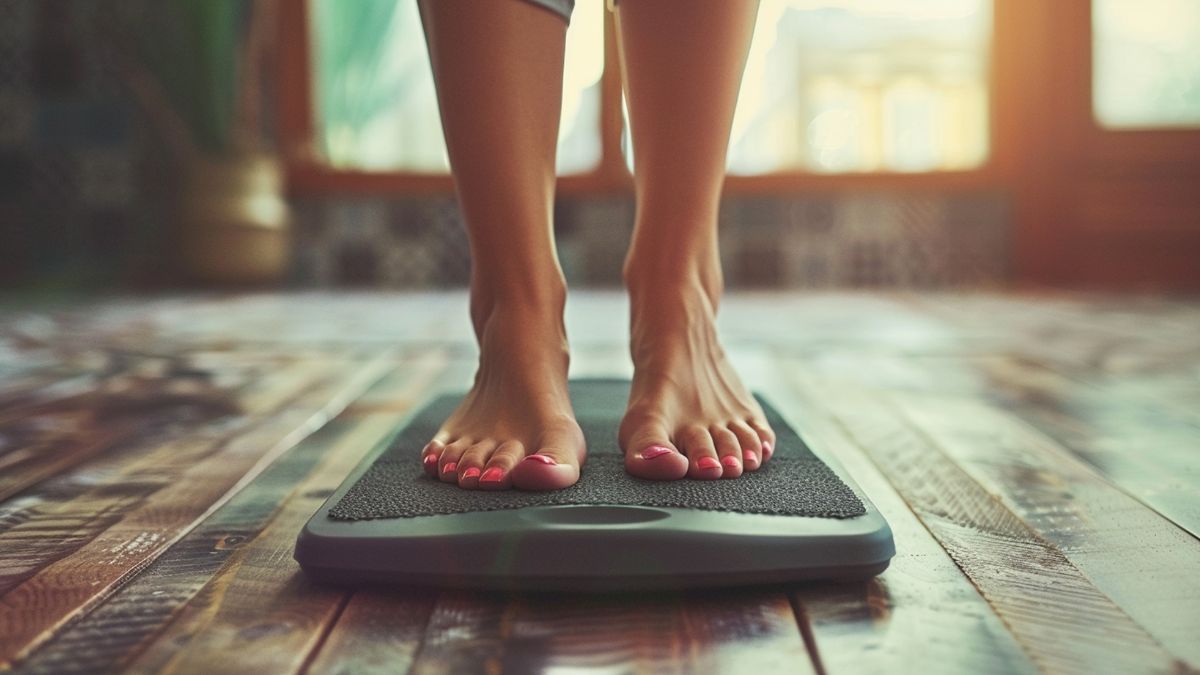
Setting Realistic Goals
Embarking on a weight-loss journey begins with setting realistic goals. It’s important to understand that losing weight takes time and dedication. Quick fixes and crash diets might offer temporary results but are not sustainable. Instead, focus on creating achievable and measurable goals.
Start by determining how much weight you want to lose. Break this down into smaller milestones. For instance, aim to lose 5 pounds at a time rather than setting a broad goal of losing 50 pounds. This makes the journey less overwhelming and allows you to celebrate small victories along the way.
Setting realistic goals also involves understanding your body’s capabilities. Each person’s weight-loss journey is unique. What works for one person might not work for another. Be patient and kind to yourself. Consult with a healthcare provider to set healthy goals tailored to your needs.
Understanding the Importance of Diet
Diet plays a crucial role in weight loss. What you eat can significantly impact your progress. A balanced diet provides the nutrients your body needs while keeping your calorie intake in check. Focus on incorporating whole foods such as fruits, vegetables, lean proteins, and whole grains into your meals.
Avoid processed foods and sugary drinks. These items are often high in calories and low in nutritional value. Instead, opt for healthier alternatives. For example, replace sugary sodas with water or herbal teas. Choose whole fruits over fruit juices.
Remember, portion control is key. Even healthy foods can lead to weight gain if consumed in large quantities. Pay attention to serving sizes and try to eat smaller, more frequent meals throughout the day. This can help keep your metabolism active and prevent overeating.
Incorporating Regular Exercise
Regular exercise is essential for successful weight loss. It helps burn calories, build muscle, and improve overall fitness. Start by finding an activity you enjoy. This could be walking, running, swimming, or cycling. The key is to choose something you’ll stick with long-term.
Begin with moderate exercise sessions and gradually increase the intensity. Aim for at least 150 minutes of moderate aerobic activity or 75 minutes of vigorous activity each week. Incorporate strength training exercises at least twice a week to build muscle and boost metabolism.
Don’t be discouraged if progress seems slow. It takes time for your body to adjust and show results. Stay consistent, and remember that any physical activity is better than none. Celebrate your progress and keep pushing yourself to achieve more.
Managing Plateaus
Weight-loss plateaus are common and can be frustrating. A plateau occurs when your weight remains stagnant despite continued efforts. This happens because your body adapts to new routines and becomes more efficient, burning fewer calories.
To overcome a plateau, you need to change your approach. Adjust your diet by reducing calorie intake slightly or incorporating different foods. Increase the intensity or duration of your workouts. Adding new exercises can challenge your body and help break the plateau.
Stay motivated by tracking non-scale victories. Notice improvements in how your clothes fit, increased energy levels, or better sleep quality. Remember, plateaus are a normal part of the journey. With perseverance and adjustments, you can overcome them.
Weight-Loss Journey: Dealing with Emotional Challenges
Weight loss isn’t just a physical challenge; it’s an emotional one too. You may experience feelings of frustration, disappointment, or even guilt. Emotional eating can also be a hurdle. Many people turn to food for comfort during stressful times.
Recognize your emotional triggers and find healthier ways to cope. Engage in activities that reduce stress, such as yoga, meditation, or hobbies you enjoy. Seek support from friends, family, or support groups. Sharing your journey with others can provide encouragement and accountability.
Professional help, such as therapy, can also be beneficial. A therapist can help you address underlying emotional issues and develop healthier coping mechanisms. Remember, taking care of your mental health is just as important as your physical health.
Monitoring Your Progress
Tracking your progress is vital for staying motivated and on track. Keep a journal of your meals, exercise routines, and weight changes. This helps you identify patterns and areas for improvement. There are also many apps and tools available that make tracking easier.
Regularly weigh yourself but don’t become obsessed with the scale. Weight can fluctuate due to various factors such as water retention or muscle gain. Instead, focus on overall trends. Measure your body, take progress photos, and note how your clothes fit.
Celebrate your achievements, no matter how small. Each step forward is a victory. By monitoring your progress, you can stay motivated and make necessary adjustments to your plan.
Maintaining Weight Loss
Reaching your weight-loss goal is a significant achievement, but maintaining it can be challenging. It’s important to understand that weight maintenance requires ongoing effort. Continue with the healthy habits you developed during your weight-loss journey.
Stay active by incorporating regular exercise into your routine. Keep your diet balanced and avoid slipping back into old eating habits. Regularly check your weight to catch any slight increases early and take corrective action.
Support is crucial for maintenance. Surround yourself with people who encourage your healthy lifestyle. Stay connected with support groups or online communities. Remember, maintaining weight loss is a continuous process, but with determination, you can succeed.
Embracing a Healthier Lifestyle
Ultimately, a weight-loss journey is about embracing a healthier lifestyle. It’s not just about losing pounds but improving your overall well-being. Focus on making sustainable changes that you can maintain for life.
Enjoy the process of becoming healthier. Find joy in physical activities, discover new healthy recipes, and take pride in your progress. A healthier lifestyle will not only help you maintain your weight but also enhance your quality of life.
Be patient and kind to yourself. Every step you take towards a healthier lifestyle is a step towards a better you. Celebrate your journey and the positive changes you’ve made. Embrace your healthier lifestyle with confidence and enjoy the benefits it brings.


